
Our Blog
A property is more than just a place to live. It is also a long-term investment, and making the right improvements can enhance its functionality, comfort and appeal to potential buyers. One upgrade that is becoming increasingly attractive to Australian homeowners is installing a home lift. A home lift can make a property more accessible, improve convenience across multiple levels and create a modern, premium living environment. Whether you own a multi-storey family home, are planning a renovation or want to prepare your property for future needs, a residential lift can be a valuable addition. In this guide, we explore how installing a home lift can potentially increase your property’s value and what homeowners should consider before making the investment. 1. Improve Your Property’s Appeal to Potential Buyers First impressions and practical features can influence how buyers perceive a property. A home with modern facilities, thoughtful design and convenient access between floors may stand out in a competitive real estate market. Installing a residential lift can give your property an additional feature that differentiates it from similar homes. It may be particularly attractive to buyers looking for comfort, accessibility and long-term practicality. For example, a two-storey property with a well-integrated lift can appeal to families who want easier movement between levels, as well as buyers planning to remain in the home as their needs change. However, a lift does not guarantee a higher sale price. Its impact on property value depends on factors such as location, buyer demand, installation quality and the overall condition of the property. 2. Make Your Home More Accessible Accessibility is an important consideration for homeowners and prospective buyers. Stairs can become difficult to navigate for older residents, people with limited mobility and individuals recovering from an injury. A home lift provides an alternative way to travel between floors without relying entirely on stairs. This can make everyday activities more manageable and allow residents to use more of their home comfortably. A residential lift may also make a property more appealing to buyers who want a home that can accommodate changing mobility needs over time. For homeowners planning to age in place, installing a lift can be a practical investment in the long-term usability of their property. 3. Create a Modern and Premium Living Experience Modern home design increasingly focuses on comfort, convenience and functionality. A residential lift can complement these priorities while adding a distinctive feature to a multi-storey home. Depending on the design selected, a lift can be integrated into an existing layout or incorporated into a new build. Options may include compact lifts for homes with limited space and designs that complement contemporary interiors. A carefully selected lift can help create a more refined living environment without compromising the property's overall design. Homeowners should consider the lift's appearance, size, door configuration and location to ensure it fits naturally within the home. 4. Improve Convenience for Everyday Living A home lift is not only useful for people with mobility challenges. It can also make daily routines easier for the entire household. Moving groceries, luggage, laundry and other heavy items between floors can be inconvenient when a home has multiple levels. A residential lift provides a more convenient way to transport these items. For families with young children, busy households and homeowners who regularly use upstairs living spaces, this added convenience can make a noticeable difference. When buyers compare properties, practical features that simplify everyday living may contribute to a home's overall appeal. 5. Make Better Use of a Multi-Storey Property Multi-storey homes can offer additional living space without requiring a larger land area. However, stairs may limit how easily residents can access every floor. Installing a home lift can make upper levels more practical for everyday use. Bedrooms, home offices, entertainment areas and other spaces may become easier to access for residents and visitors. This can be particularly valuable in properties where important living areas are spread across several floors. A lift may also help homeowners plan for future needs, allowing them to continue using more of their property as their lifestyle changes. Before installation, it is important to assess the available space, structural requirements and most suitable location for the lift. 6. Consider the Long-Term Value of Your Investment Adding a home lift involves more than the initial purchase and installation cost. Homeowners should also consider ongoing servicing, maintenance, energy consumption and any building modifications required. The potential financial benefit depends on whether the improvement aligns with buyer expectations in the local property market. Before proceeding, consider the following factors: Property type: Multi-storey homes may benefit more from a lift than single-level properties. Local buyer demand: Research whether accessibility features and premium home amenities are valued in your area. Installation costs: Obtain detailed quotes that include equipment, building work and any necessary approvals. Maintenance requirements: Understand the recommended servicing schedule and ongoing costs. Design integration: Choose a lift that complements your property's layout and interior design. Future usability: Consider whether the lift will continue to meet your household's needs over time. A lift should be viewed as a long-term home improvement rather than a guaranteed way to increase resale value. 7. Choose the Right Residential Lift for Your Home Selecting the right residential lift is essential to achieving the best balance between functionality, design and cost. Different residential lift options suit different properties. The ideal choice will depend on the number of floors, available space, expected usage and accessibility requirements. Before choosing a lift, consider: Available space: Assess where the lift can be installed and whether structural modifications are required. Number of floors: Choose a system suited to the height and layout of your home. Design and finish: Look for an option that complements your existing interiors or planned renovation. Accessibility needs: Consider the cabin dimensions, doorway access and ease of operation. Safety and compliance: Ensure the lift and its installation meet the applicable Australian requirements. Maintenance and support: Choose a provider that can explain ongoing servicing and support options. Professional advice can help you compare suitable options and understand the practical requirements before committing to an installation. Explore the residential lift solutions available from First Class Lifts to learn more about options for improving accessibility and convenience in your home. 8. Plan Your Home Lift Installation Carefully Planning is essential if you want your lift to complement your property and provide lasting benefits. For an existing home, an assessment can help determine the most suitable installation location and identify any building work that may be necessary. For a new build, including a lift in the initial design may provide greater flexibility. Homeowners should also consider how the lift will affect the flow of the property, access to surrounding rooms and the appearance of each floor. It is worth discussing the installation with a qualified lift provider and relevant building professionals before beginning work. Depending on the project, building approvals and other compliance requirements may apply. A well-planned installation can help ensure the lift serves a practical purpose while fitting comfortably into the overall design of the home. Conclusion Installing a home lift can be a practical way to improve accessibility, convenience and the overall living experience of a multi-storey property. It may also help your home appeal to buyers who value modern amenities, long-term usability and accessible design. However, the financial return will depend on your property, the local real estate market and the cost of installation. Before investing, consider your household's needs, available space, ongoing maintenance and the suitability of different residential lift options. With careful planning and professional guidance, a home lift can be a valuable addition that makes your property more functional today while preparing it for the future. If you are considering a residential lift for your property, contact First Class Lifts to discuss suitable options for your home.
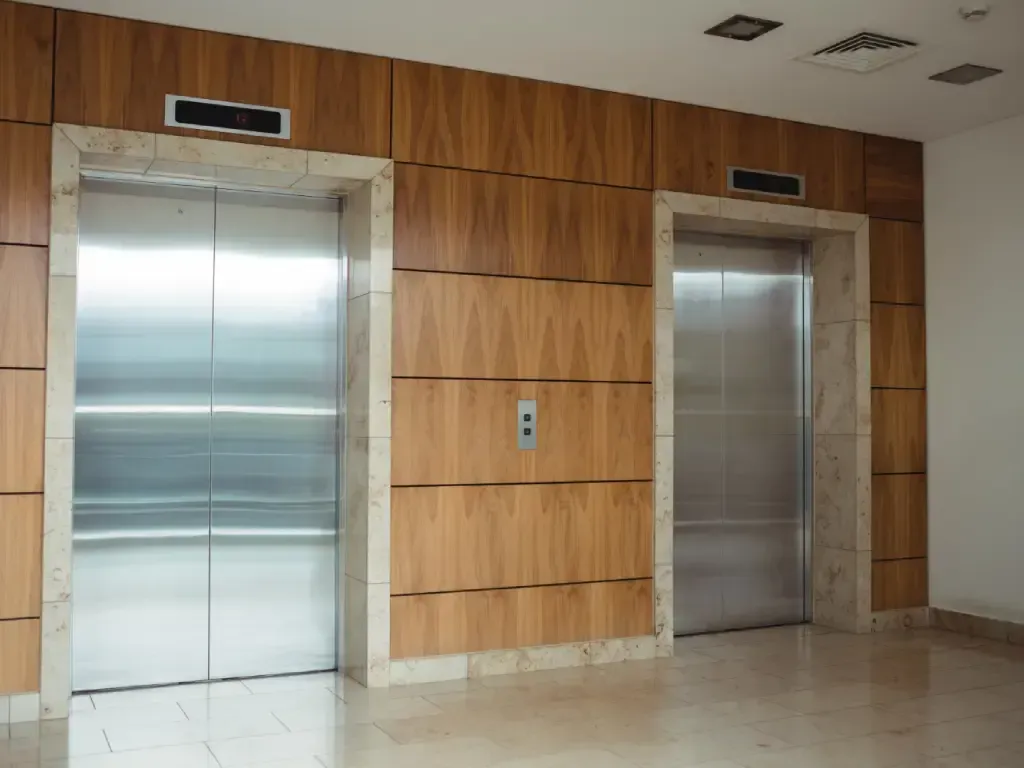
Learn how to choose the right elevator for your building in 2026, covering capacity, accessibility, safety, space, energy efficiency and maintenance needs.
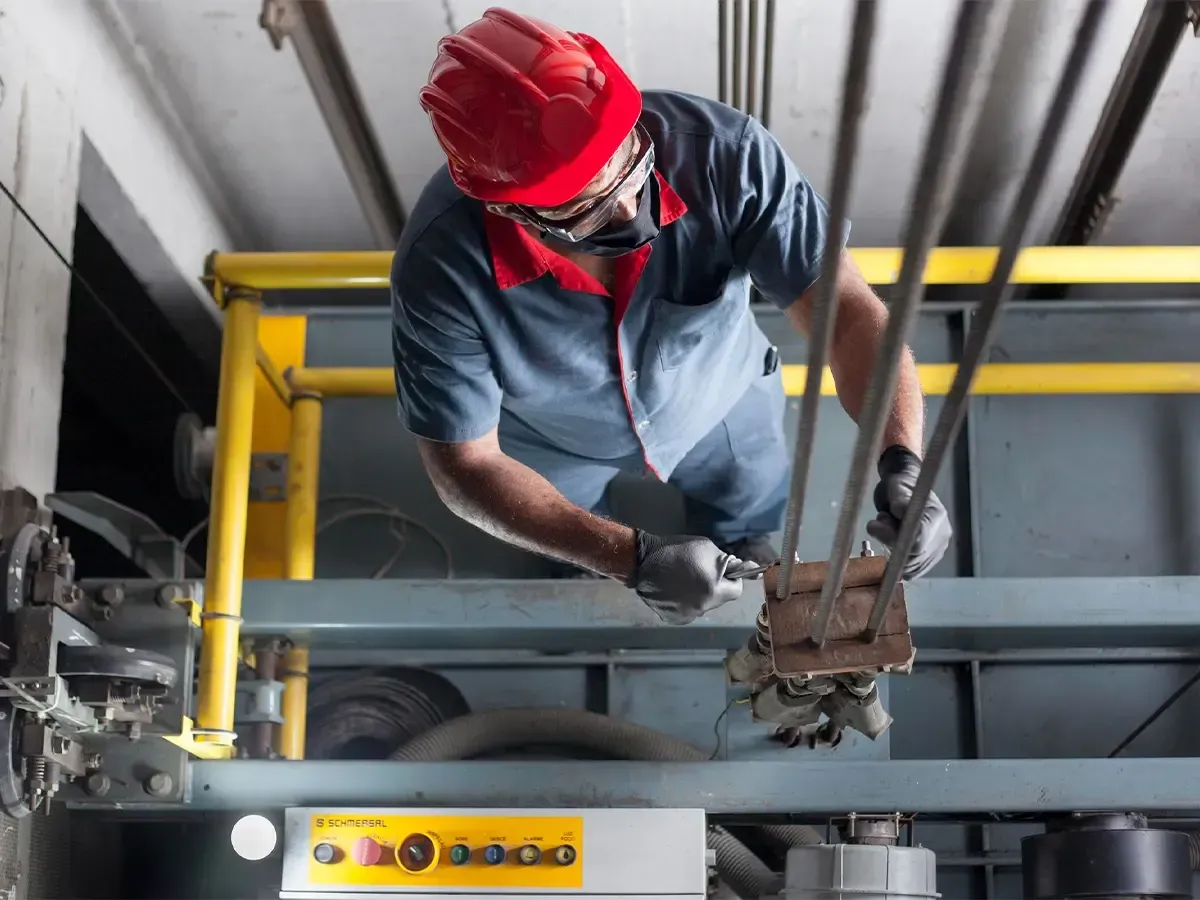
Lift repairs and servicing involve specialist equipment and safety systems. Professional lift technicians should handle inspection, diagnosis and repair work.

Learn how to choose the right wheelchair platform lift for your building, including indoor, outdoor and home lift options for safe, accessible movement.
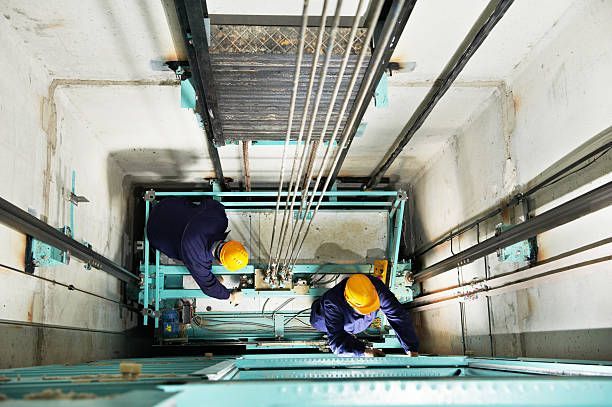
Learn about residential elevator repair costs in 2026, common lift faults, maintenance needs and when to repair or replace your home lift in Australia.
Discover domestic lifts for houses in Australia with this 2026 guide covering costs, benefits, lift types, maintenance and tips for choosing the right lift.
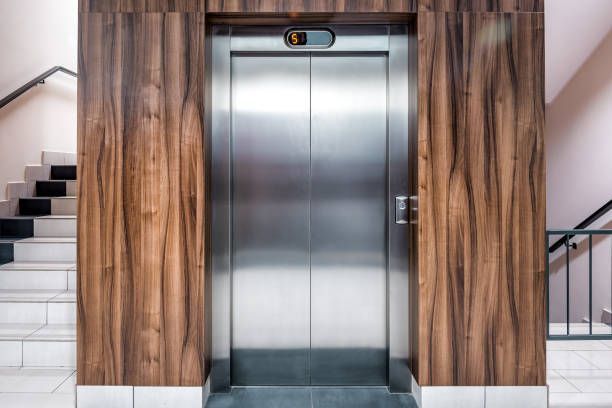
Learn the real running costs of a home lift in Australia, including electricity, servicing, maintenance, repairs, and long-term ownership expenses.
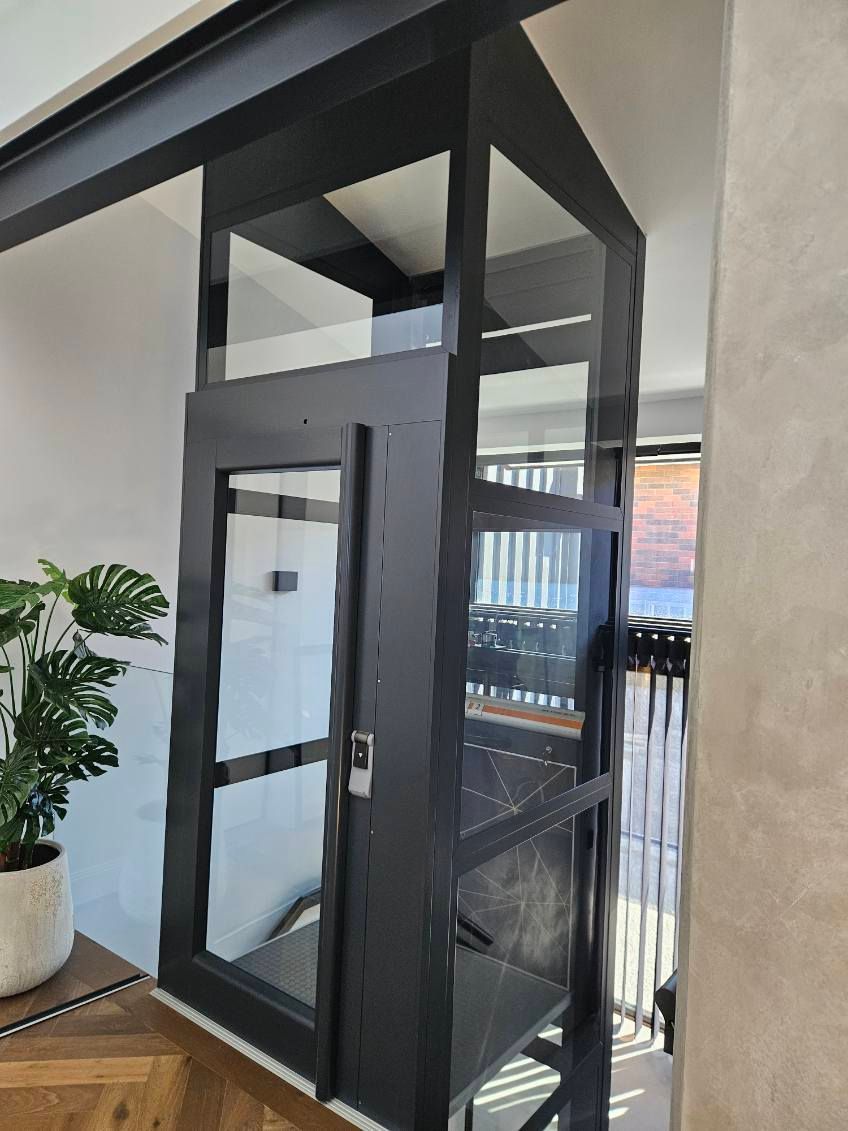
Home lifts have become one of the most popular additions to modern Perth homes. Whether installed for accessibility, convenience, or long-term ageing-in-place planning, a residential lift adds comfort and value to a property. But owning a home lift comes with responsibility, and one of the most important is staying on top of lift inspection requirements. Regular inspections are not just a box to tick. They keep your family safe, ensure the lift performs reliably, and confirm your equipment meets Australian safety standards. Understanding what these requirements involve helps homeowners protect both their loved ones and their investment for years to come. What Are Lift Inspection Requirements? Lift inspection requirements refer to the scheduled checks and safety assessments that a residential lift must undergo to remain compliant, safe, and fully functional. These inspections are typically carried out by a certified lift inspector who examines every part of the system to confirm it is operating as it should. A thorough inspection generally covers: • Mechanical components, including cables, pulleys, and rails • Electrical systems and wiring • Safety devices such as sensors and interlocks • Emergency alarms and backup power systems • Doors and locking mechanisms • Control systems and button responsiveness • Weight capacity and load testing • Overall ride quality and general operation Each of these elements plays a role in keeping a home lift safe to use day after day, which is why lift inspection requirements exist in the first place. 7 Reasons Why Lift Inspection Requirements Matter for Your Home 1. Protects Your Family's Safety Safety is the most important reason to take lift inspection requirements seriously. Regular checks help prevent accidents by catching issues before they become dangerous. • Prevents accidents caused by worn or faulty parts • Detects hidden faults that aren't visible during everyday use • Ensures emergency systems, such as alarms and backup power, function properly when needed 2. Prevents Expensive Repairs Small mechanical issues rarely stay small. Routine inspections catch problems early, before they turn into costly emergency repairs. • Identifies minor issues before they escalate • Reduces the likelihood of emergency call-outs and repair costs • Extends the overall life of major components 3. Extends the Lifespan of Your Home Lift A well-maintained lift simply lasts longer. Consistent servicing reduces strain on moving parts and keeps the system running the way it was designed to. • Reduces wear and tear on cables, rails, and motors • Maintains smooth, consistent operation • Improves long-term reliability of the entire system 4. Ensures Compliance with Local Safety Regulations Residential lifts in Australia are required to meet safety standards such as AS 1735, and compliance with the Disability Discrimination Act (DDA) is important for homes designed with accessibility in mind. Staying compliant isn't just about avoiding penalties, it protects you legally and financially. • Following local codes and Australian Standards reduces liability • Helps avoid legal issues tied to non-compliant equipment • Keeping inspection records on file provides proof of due diligence 5. Improves Lift Performance and Reliability Lifts that are regularly serviced simply perform better. Homeowners often notice smoother rides and fewer unexpected breakdowns after consistent inspections. • Delivers a smoother, quieter ride quality • Reduces the frequency of unexpected breakdowns • Can improve energy efficiency over time 6. Protects Your Property Value A certified, well-documented lift inspection history can be a genuine selling point. Buyers are far more confident purchasing a home with equipment that has been properly maintained. • Well-maintained lifts are more attractive to prospective buyers • Demonstrates responsible, proactive homeownership • Adds confidence and transparency during the sale process 7. Provides Peace of Mind Perhaps the simplest reason of all: knowing your lift is safe removes a significant source of everyday stress, especially in homes where the lift is essential rather than optional. • Confidence that the lift is safe for everyday use • Reduced stress for the whole family • Especially important in homes with seniors or people with mobility challenges How Often Should a Home Lift Be Inspected? Most residential lifts in Australia should be professionally inspected at least once a year, though the right frequency can depend on how often the lift is used and the manufacturer's recommendations. An annual inspection is the general baseline for most homes Lifts used more frequently, such as in multi-generational households, may need more regular servicing Always follow the specific guidelines provided by your lift's manufacturer Only use certified inspectors who are qualified to assess residential lift systems Signs Your Home Lift Needs an Inspection Immediately While scheduled inspections are essential, some warning signs mean you shouldn't wait for the next appointment. If you notice any of the following, contact a certified professional as soon as possible: Strange or grinding noises during operation Jerky or uneven movement between floors Doors that don't close properly or fully Noticeably slower operation than usual Error messages on the control panel Sudden or unexpected stops mid-ride Unusual vibrations while the lift is moving Tips for Maintaining Your Residential Lift Between professional inspections, there are simple steps homeowners can take to help keep their lift in good condition: Schedule routine servicing with a certified provider Keep the lift and its tracks clean and free of debris Avoid overloading the lift beyond its rated capacity Report unusual noises or behaviour promptly rather than waiting Maintain a record of all inspections and servicing Always hire qualified, certified professionals for repairs and servicing Conclusion Lift inspection requirements exist to keep homeowners, families, and property investments protected. Regular inspections improve safety, prevent costly repairs, extend the life of your lift, and keep your home compliant with Australian standards. They also offer something just as valuable: peace of mind. If it's been a while since your home lift was last inspected, now is the time to act. Schedule a professional inspection with First Class Lifts and ensure your residential lift is safe, compliant, and ready to serve your family for years to come.
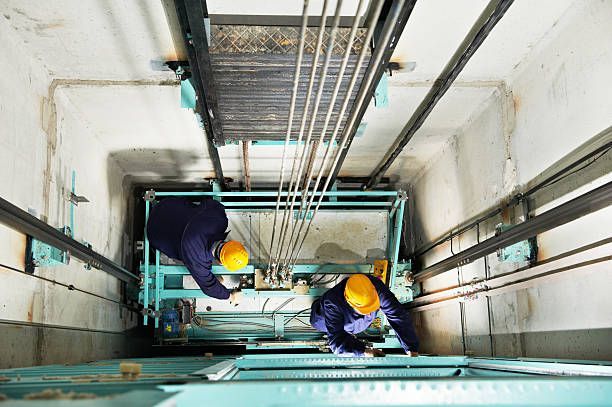
More Australian homeowners are discovering the transformative benefits of home lifts than ever before. Whether you're aging in place, accommodating family members with mobility challenges, or simply enhancing your luxury home, a residential lift can be a life-changing investment. However, installing a home lift isn't a decision to rush. It requires thoughtful planning, careful consideration of your specific needs, and a clear understanding of the practical, financial, and technical factors involved. This comprehensive guide explores 10 essential things you should consider before installing a home lift. By understanding these key considerations upfront, you'll make a more informed decision that aligns with your home, your budget, and your long-term needs.

Find out why more Australian homeowners are choosing domestic lifts for better accessibility, convenience, safety, and future-proof living.

Contact Us
Get in touch with our team today to discuss your new lift installation. We offer free, no-obligation quotes, so you know exactly what costs are involved upfront. Got questions? Call us! Our friendly team is happy to help.