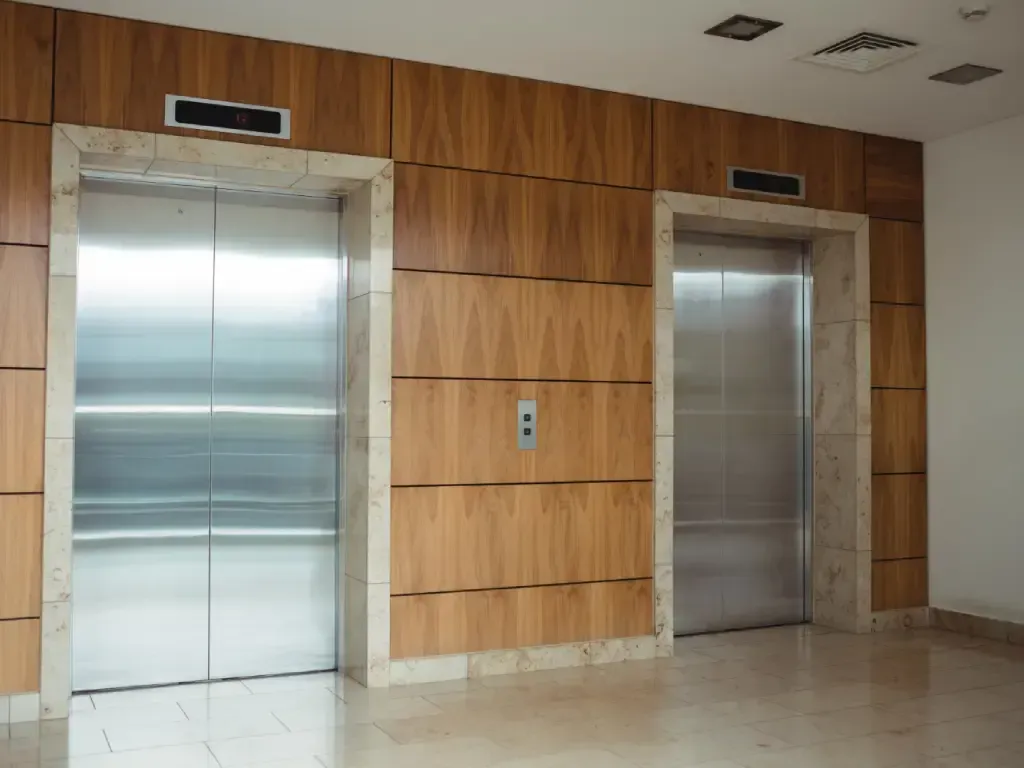
10 Things to Consider Before Installing a Home Lift
More Australian homeowners are discovering the transformative benefits of home lifts than ever before. Whether you're aging in place, accommodating family members with mobility challenges, or simply enhancing your luxury home, a residential lift can be a life-changing investment. However, installing a home lift isn't a decision to rush. It requires thoughtful planning, careful consideration of your specific needs, and a clear understanding of the practical, financial, and technical factors involved.
This comprehensive guide explores 10 essential things you should consider before installing a home lift. By understanding these key considerations upfront, you'll make a more informed decision that aligns with your home, your budget, and your long-term needs.
Why Install a Home Lift?
Before diving into the considerations, let's briefly explore why home lifts have become increasingly popular across Australia.
Improved Accessibility: Home lifts eliminate the physical strain of climbing stairs for seniors, individuals with mobility disabilities, or anyone recovering from surgery. This independence is invaluable for maintaining dignity and confidence at home.
Convenience: Moving furniture, groceries, or equipment between floors becomes effortless. No more struggling with heavy items on stairways—your lift handles the work.
Future-Proofing Your Home: As we age, our mobility needs change. Installing a lift now means your home can adapt with you, reducing the need for costly renovations or moving later in life.
Luxury Appeal: Modern glass and customizable lifts add a touch of sophistication to any home. They're no longer purely functional—they're design features that enhance your space.
Increased Property Value: A well-installed, high-quality home lift can increase your property's market appeal and resale value, especially in competitive markets where accessibility is increasingly prized.
10 Must-Know Things Before Installing a Home Lift
1. Understand Your Needs
The first step is honestly assessing
why you need a home lift and
who will use it.
- For seniors, the primary concern is safe, independent mobility. You might prioritize comfort features like handrails, spacious interiors, and smooth acceleration.
- For wheelchair users, the lift must accommodate the chair's size and weight. Platform lifts or larger cabin lifts are typically necessary.
- For families with young children or elderly relatives, you'll want safety features like sensor-equipped doors and emergency systems.
- For multi-storey homes, you'll need to consider how many floors the lift will serve and whether you might need future expansion.
- Be specific: Are you installing the lift now because of current mobility challenges, or is it a long-term accessibility investment? This distinction affects your choice of lift type and features.
2. Available Space
Space is often the biggest constraint in home lift installation, particularly in retrofitting existing properties.
- Shaft Requirements:
Most residential lifts require a dedicated shaft. Standard cabin lifts typically need 1.5m × 1.5m of floor space, though dimensions vary. Smaller compact lifts might require just 1m × 1m, while larger models need more.
- Structural Considerations: Your home's structure must support the lift's weight and mechanics. This includes the building's frame, flooring, and the space above (headroom for the machinery and cables). Builders and architects should assess whether structural reinforcement is needed.
- Retrofitting Existing Homes: Retrofitting a lift into an established home is more complex than incorporating one during new construction. You might need to remove sections of existing walls or floors, which increases costs and disruption. Compact or shaftless lifts offer more flexibility but may have lower weight capacities.
3. Choose the Right Lift Type
Different lift technologies suit different situations. Here's an overview:
- Hydraulic Lifts Hydraulic systems use fluid pressure to raise and lower the cabin. Pros: smooth operation, good weight capacity, reliable. Cons: require more headroom, slightly higher maintenance, can be affected by temperature extremes.
- Traction Lifts Using steel cables and a counterweight system, traction lifts are common in commercial buildings and larger residential installations. Pros: space-efficient, energy-efficient, smooth. Cons: more complex mechanically, generally more expensive for small residential applications.
- Shaftless Lifts These screw-driven lifts don't require a traditional shaft, making them ideal for retrofits. Pros: flexible installation, compact, no structural reinforcement needed. Cons: lower capacity, slower speed, limited to modest heights.
- Platform Lifts Also called wheelchair lifts, these open platforms carry individuals in mobility devices. Pros: simple, affordable, accessible. Cons: no privacy or weather protection, limited to smaller homes, slower operation.
Consider your specific requirements, available space, budget, and the distances you need to cover. Your installer should help recommend the most suitable option.
4. Budget and Installation Costs
Home lift costs vary significantly based on lift type, space requirements, and customization. While we won't quote specific prices here, several factors influence your budget:
- Lift Type Platform lifts are generally most affordable, followed by shaftless models, then hydraulic systems, with traction lifts typically the most expensive for residential applications.
- Installation Complexity Retrofitting into existing homes costs more than installing during new construction. Structural modifications, electrical work, and removal of walls or flooring add expense.
- Customization Premium finishes, glass cabins, advanced safety features, and integrated smart controls increase costs.
- Aftermarket Services Factor in ongoing maintenance contracts, emergency call systems, and annual inspections when budgeting.
- Get multiple quotes. Obtain detailed quotations from reputable installers that break down equipment, labour, and additional services. The cheapest option isn't always the best value—consider reputation, warranties, and after-sales support.
5. Safety Features
Safety is paramount. Modern home lifts include multiple protective systems:
- Emergency Lowering Systems: If power fails, a backup system ensures the cabin can descend to the nearest floor, allowing occupants to exit safely.
- Battery Backup: Integrated batteries provide power for emergency descent and emergency lighting, crucial during blackouts.
- Door Interlocks: These prevent the cabin door from opening unless the lift is at a landing, and prevent the lift from moving if the door isn't fully closed.
- Emergency Alarms and Communication: Two-way communication systems connect occupants to monitoring services or emergency contacts if the lift becomes stuck.
- Weight Sensors and Overload Protection: These systems prevent the lift from operating if weight exceeds safe limits.
- Smooth Acceleration and Deceleration: Modern lifts minimize jerking, which is important for elderly users or those with balance concerns.
Ensure your chosen lift meets Australian safety standards and includes comprehensive emergency features. Never compromise on safety for cost savings.
6. Australian Standards and Compliance
In Australia, residential lifts must comply with specific safety regulations. The key standard is AS 1735, which covers the design, construction, and safety of passenger and goods lifts.
Why Compliance Matters: Non-compliant installations pose genuine safety risks, may void insurance, and can create liability issues if someone is injured.
What to Check: Ensure your installer is certified to work to Australian standards. Ask for documentation confirming compliance before installation begins. Your lift should include appropriate certifications and safety labels.
Regular Inspections: Lifts must undergo regular safety inspections by qualified personnel. Your installer should outline the inspection schedule and requirements.
Building Permits: Most councils require permits for home lift installation. Your installer should handle this process, but confirm it's included in their service.
Always use qualified, certified installers who understand Australian regulations. This is non-negotiable.
7. Energy Efficiency
Modern home lifts are significantly more energy-efficient than older models, but consumption varies:
- Efficient Technologies LED lighting, variable frequency drives (VFDs), and optimized hydraulic systems reduce power consumption. Regenerative systems in some traction lifts can even return power to the home during descent.
- Operating Costs Most residential lifts consume less electricity than a typical household appliance. However, older or inefficient models can be power-hungry.
- Long-Term Considerations A slightly higher upfront investment in an energy-efficient model often pays for itself through lower operating costs over the lift's 15-20 year lifespan.
- Ask your installer about the annual energy consumption estimate for your chosen model. This helps you understand true ownership costs.
8. Interior Design and Customisation
Your home lift doesn't need to be purely utilitarian—it's an opportunity to enhance your home's aesthetics.
- Glass Cabins Frameless or partially-glazed cabins create light, spacious interiors and can become architectural focal points.
- Colour and Finishes Customize the cabin walls, flooring, and doors to match your home's design. Options range from sleek stainless steel to warm timber or contemporary paint finishes.
- Lighting Integrated LED lighting can be customized by colour temperature or even programmable for different moods. Strategic lighting enhances safety and ambiance.
- Mirrors and Flooring Mirrors create a sense of space (useful in smaller cabins), while premium flooring options like timber, marble, or custom tiles add luxury.
- Door Styles From sliding automatic doors to folding or sliding-gate styles, door design significantly impacts appearance.
Work with your installer to create a lift that complements your home's interior design while maintaining functionality and safety.
9. Maintenance Requirements
Home lifts aren't "install and forget" systems. Regular maintenance keeps them safe, efficient, and reliable.
- Servicing Schedules Most manufacturers recommend servicing every 6-12 months, depending on usage and lift type. Service includes lubrication, component inspection, and wear-part replacement.
- Annual Safety Inspections As mentioned earlier, Australian standards require regular safety inspections by certified technicians.
- Preventive Maintenance Regular maintenance prevents unexpected breakdowns. Many installers offer maintenance contracts that include scheduled servicing at predictable costs.
- Cost Implications Budget for annual maintenance costs—typically several hundred dollars for standard service contracts. This is far cheaper than emergency repairs.
- Warranty Coverage Understand what your warranty covers and for how long. Premium warranties often include labour costs for repairs and may extend beyond standard 1-2 year periods.
Ask your installer for a detailed maintenance plan and cost estimate before purchase.
10. Choose an Experienced Lift Company
Your choice of installer is as important as the lift itself. An experienced company provides:
- Technical Expertise They assess your home accurately, recommend appropriate solutions, and handle complex installations professionally.
- Compliance Assurance Reputable companies understand Australian standards and ensure full compliance, handling permits and inspections.
- Quality Installation Professional installation prevents costly problems down the road. Poor installation can lead to safety issues, premature wear, and expensive repairs.
- After-Sales Support Responsive customer service means quick resolution if issues arise. Good companies stand behind their work.
- Warranties and Guarantees Established companies offer robust warranties on equipment and workmanship. This protection is invaluable.
- Ongoing Maintenance Many companies offer maintenance contracts, ensuring your lift remains in optimal condition throughout its lifespan.
What to Look For Check credentials, read customer reviews, request references, and compare warranty terms. Don't choose solely on price value for money matters more.
Common Mistakes to Avoid
Learning from others' experiences can save you time, money, and frustration:
- Choosing solely on price: The cheapest option often means compromised quality, poor after-sales support, or inadequate safety features. Invest in quality and reputation.
- Ignoring maintenance needs: Skipping servicing leads to reliability issues and safety concerns. Budget for ongoing maintenance from day one.
- Hiring inexperienced installers: Amateur installation can void warranties, create safety hazards, and result in costly remediation.
- Not planning for future needs: If you might need greater weight capacity or additional floors served later, discuss expansion possibilities with your installer.
- Overlooking available space: Inadequate space measurements lead to unsuitable recommendations. Measure carefully and involve professionals early.
- Failing to verify compliance: Ensuring Australian standards compliance isn't optional. It's essential for safety, insurance, and legal protection.
- Underestimating installation disruption: Retrofitting requires removing walls or flooring, causing significant disruption. Plan accordingly and expect noise, dust, and temporary inconvenience.
Frequently Asked Questions
Can a home lift be installed in an existing house?
Yes, retrofitting is possible, but it's more complex and expensive than new-build installations. Shaftless and compact lifts work best for retrofitting. Structural assessments determine feasibility.
How much space is required?
This depends on lift type. Compact models need approximately 1m × 1m of floor space, while standard lifts typically require 1.5m × 1.5m. Your installer will confirm exact requirements for your chosen model.
Are home lifts safe?
When installed correctly to Australian standards and maintained properly, home lifts are very safe. Safety features like emergency systems, door interlocks, and overload protection are standard on modern lifts.
How often should a home lift be serviced?
Most manufacturers recommend servicing every 6-12 months, depending on usage and lift type. Service includes inspections, lubrication, and component checks.
Do home lifts increase property value?
Quality home lifts can increase property appeal and value, particularly in markets where accessibility is prized. However, value increase varies discuss this with your real estate agent.