Residential Lift Installation Process
Installing a residential lift is a structured process that involves planning, design coordination, installation, testing, and commissioning. While each home and lift system is different, the overall residential lift installation process follows a series of practical steps designed to ensure safe and reliable operation.
Understanding how this process works helps homeowners plan their project realistically and ensures that the lift is installed correctly from the beginning.
In most cases, lift installation works best when it is considered early in the building or renovation process. This allows the lift system to be integrated smoothly with the home’s structure and electrical systems.
Why Proper Planning Is Important
A residential lift is a mechanical and electrical system that must work safely within the structure of the home. Proper planning ensures the lift fits the available space and operates as intended once installed.
Planning helps determine:
● Where the lift will be located
● How many floors it will serve
● Structural space requirements
● Electrical supply needs
● Safety and access considerations
When these factors are addressed early, the installation process usually proceeds more smoothly and avoids unnecessary delays.
Step 1: Initial Consultation and Site Assessment
The first stage of the residential lift installation process typically begins with a consultation and site assessment.
During this stage, the installer evaluates:
● Available space within the home
● Floor levels and travel distance
● Structural requirements
● Accessibility needs of occupants
This assessment helps determine which lift type is suitable and what modifications may be required for installation.
Step 2: Lift System Selection
Once the site has been assessed, the next step is selecting the lift system that best fits the home and the user’s needs.
Factors that influence lift selection include:
● Available installation space
● Number of floors the lift will serve
● Desired load capacity
● Design preferences
● Accessibility requirements
Different lift technologies may be suitable depending on the building layout and operational needs.
Step 3: Structural Preparation
Before the lift can be installed, the home must be prepared to accommodate the system.
This stage may involve:
● Preparing the lift shaft or enclosure
● Ensuring correct floor openings
● Installing structural supports where required
● Preparing electrical connections
When lifts are installed during the construction of a new home, this preparation is often simpler. Retrofitting a lift into an existing building may require additional building adjustments.
These planning considerations help ensure the lift integrates properly with the building.
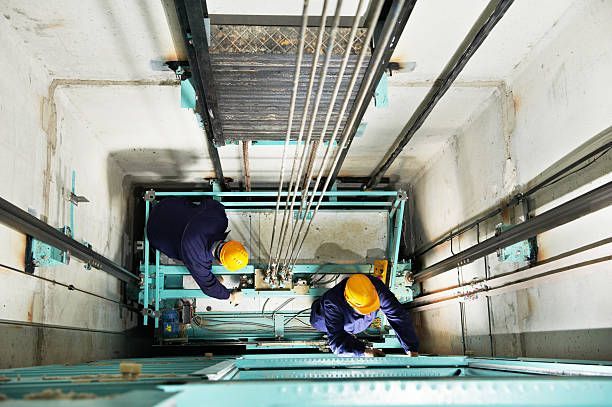
Step 4: Lift Equipment Installation
Once the building is prepared, the lift equipment installation can begin.
This stage typically includes:
● Installing guide systems
● Mounting the lift car
● Installing drive components
● Fitting control systems
● Installing doors and safety mechanisms
The exact installation process varies depending on the lift design, but careful alignment and positioning are essential for smooth operation.
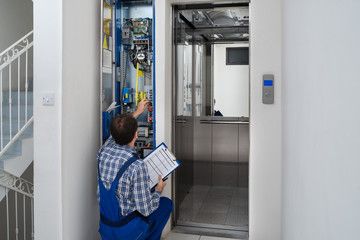
Step 5: Electrical Integration and Control Setup
After the mechanical components are installed, electrical systems and controls are connected.
This stage may involve:
● Integrating control panels
● Connecting safety circuits
● Programming floor stops and controls
● Testing communication between lift components
Proper electrical integration ensures the lift responds correctly to user inputs and operates safely under normal conditions.
Guidance on building services and engineering systems management is commonly discussed in building services engineering resources published by
CIBSE.
These principles help ensure that mechanical and electrical systems operate reliably within buildings.
Step 6: Testing and Safety Verification
Before the lift enters service, the installation must undergo thorough testing.
Testing typically includes:
● Verifying safety system operation
● Checking door functionality
● Confirming accurate floor levelling
● Testing emergency systems
● Reviewing overall ride quality
This stage ensures the lift operates consistently and meets expected safety and performance standards.
Step 7: Commissioning and Handover
Once testing is complete, the lift is commissioned and handed over to the homeowner.
During handover, the installer may provide:
● Basic operation guidance
● Maintenance recommendations
● Information on servicing schedules
● Safety instructions for lift users
At this stage, the lift becomes part of the home’s daily operation.
Importance of Ongoing Lift Maintenance
Installation is only the beginning of a lift’s lifecycle. Like any mechanical system, lifts require routine servicing to maintain reliability.
Regular maintenance helps to:
● Monitor component wear
● Maintain smooth operation
● Test safety mechanisms
● Reduce unexpected breakdowns
Planning maintenance early helps ensure the lift continues operating safely and reliably over time.
Frequently Asked Questions
How long does a residential lift installation take?
Installation time varies depending on the lift type and building preparation. Many installations take several days once structural preparation is complete.
Can lifts be installed in existing homes?
Yes. Many residential lifts are installed in existing homes, although retrofitting may require structural adjustments.
Do residential lifts require a shaft?
Some residential lift systems require a shaft or enclosure, while others use self-supporting structures depending on the design.
Is lift installation easier in new homes?
Installing a lift during the construction of a new home is often easier because the space and structural requirements can be planned in advance.
What happens after the lift is installed?
After installation, the lift undergoes testing and commissioning before being handed over for use.